
Kelsey Snell, journalism


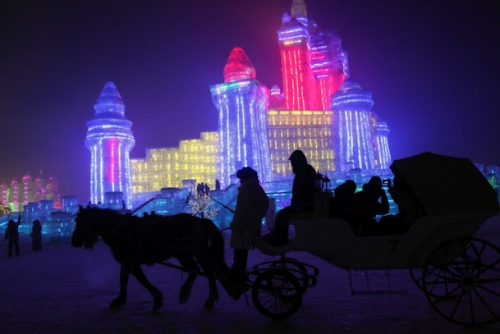
Jaki Bradley, dramatic art and journalism. In Harbin, China, Jaki took this photo titled Ice City: “During the World Ice and Snow Festival in Harbin, China, the city literally transforms into a winter wonderland


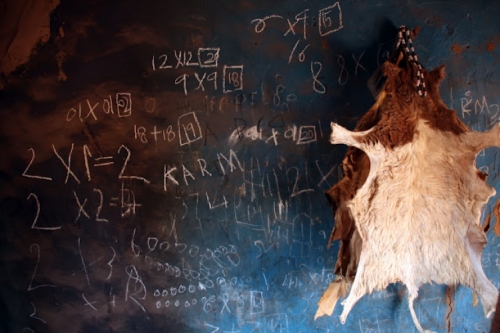
Michael Chen, business administra


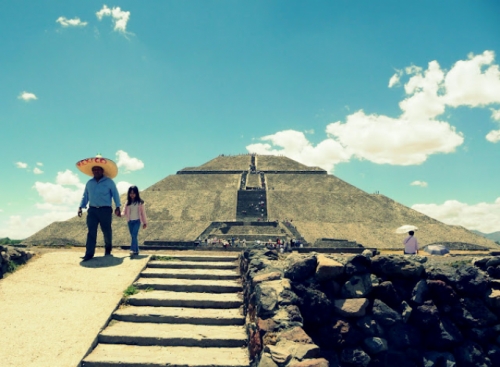
Claire Chu, health behavior and health education. In San Juan, Teotihuacan, Mexico, she took this photo titled Teotihuacan and a Sombrero: “As we walked up to view the ancient pyramids that were built in the pre-Columb


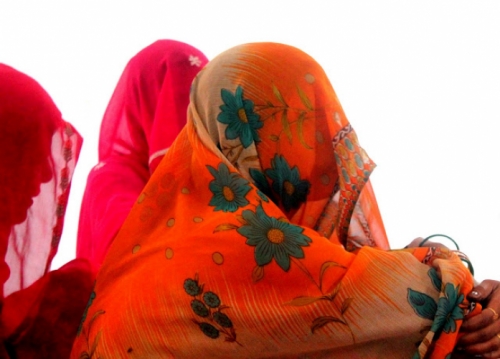
Jiakun Ding, global studies and political science. In Kadmal, Rajasthan, India, Jiakun took this photo titled Recognition: “Women in a remote village of Rajasthan listen during a panchayat meeting that discussed sanitation projects and teacher accountability at the local, government-run school, April 2011. The panchayat is the local government of an Indian village, and women, though invited to attend, are rarely invited to speak. For me, this photo captures both the political identity that rural India is trying to allocate to women in name and the debilitating anonymity they still suffer in practice. The colorful saris against the stark white background also evoke a passport photo and, with it, all the debates in American discourse about toleration for religious conservati


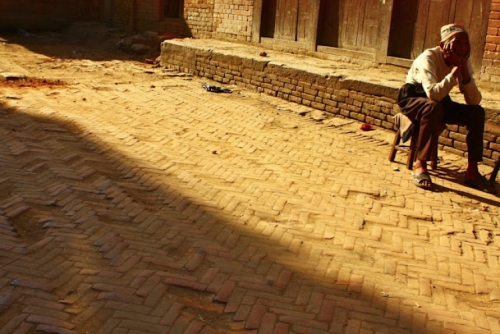
Grace Farson, art history. In Bhaktapur, Nepal, she took a photo titled The Thinker: “While wandering the streets of Bhaktapur one day at dusk, I walked past this sight. I instantly fell in love with the textures, colors, and people of this old city. This image shows how time seems to stop in certain areas in Nepal. This elderly man was outside of his house, exactly as he is seen here—just thinking.”


Justin Loiseau, environmental studies and economics. In Yogyakarta, Indonesia, he took this photo titled, Songbird Competition: “For forty-eight hours, carefully trained judges weave their way beneath hundreds of bird cages to find the songbird with the most beautiful voice. Patience, respect for nature, and deference for the past are all embodied in this simple yet incredibly complex competition.”


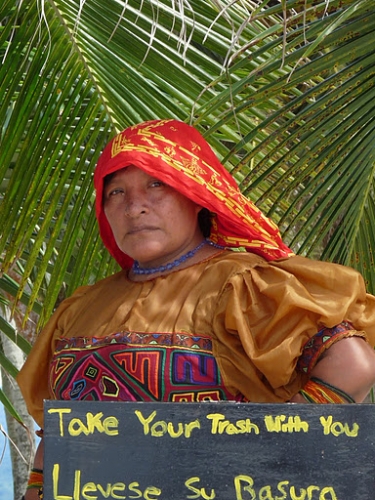
Anabella Palacios, city and regional planning. In San Blas, Kuna Yala Islands, Panama, she took a photo titled Keep my Place Cleaning: “An hour-and-a-half combi and a forty-five minute boat ride south of Panama takes you to a piece of heaven on Earth called San Blas. This is an archipelago in the Caribbean inhabited by the Kunas, a strong-knit aboriginal community that has managed to maintain their island’s beauty, their identity, and customs at the peak of a modern, fast-changing Panamanian society. Hundreds of people visit this place every year. In order to preserve the natural environment, the Kuna people, through their signage, ask visitors to take the litter they generate during their stay with them when they leave. The Kuna have a matriarchal social order where the inheritance of land passes through women. I took this picture while I visited Panama in 2010 for my Applied Field Experience as a Rotary Peace Fellow. I love her colorful molas (clothing), her expression and the meaning of simple messages to take care.”


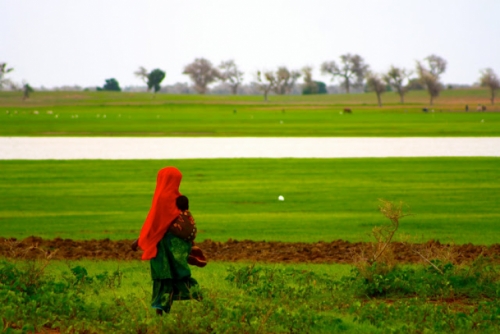
Maximillian Seunik, anthropology and public policy. In the floodplains around Djenné, Mali, Maximillion took an image titled la mère du fleuve Niger: “While traveling through a rice-paddy on the Niger floodplains in August of 2011, I happened upon a lone woman whose destination and origin remain unknown to me. The stark contrast of her red veil against the verdant landscape compelled me to stop. Unaware of her foreign observer, she represents the universal and instinctive relationship of mother to child.”


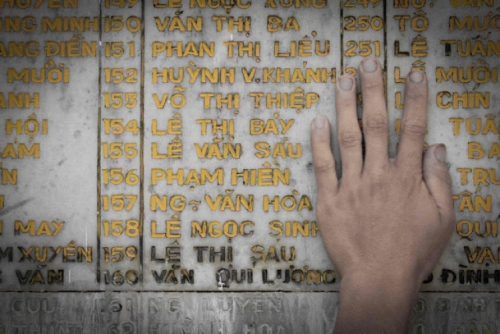
Matthew Stevens, international business. In Da Nang, Vietnam he took a photo titled Number 152: “This summer I had the opportunity to spend a couple of weeks conducting research at an orphanage in Da Nang. While walking through a Vietnam War memorial, one of the orphans, Binh, put his hand on a wall with names etched into it. With the help of a translator I learned that number 152, Huynh V. Khanh, was Binh’s uncle. Oddly enough my uncle also fought in the war, but he survived. Realizing, without words, that I was upset, Binh put his arm around me and said, ‘friends’. This simple word explains the compassion of the Vietnamese people.”


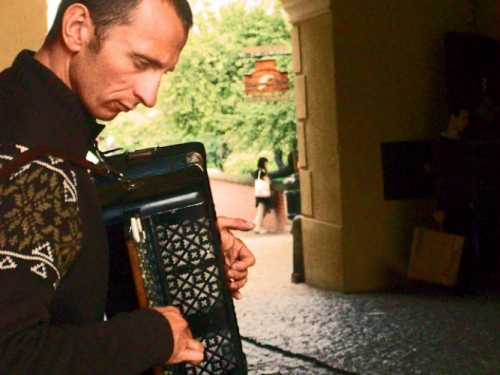
Lara Szypszak, slavic language and literature. In Lublin, Poland, she took this photo titled, Accordion Under the Arch: “When studying Polish In Lublin, I noticed musicians on the streets around every corner. This accordion player, with his intricate and beautiful instrument, would place himself for the best acoustics rather than the most foot traffic. He was absolutely absorbed in his music. All over town, musicians performed, filling the alleyways with traditional music, and someone always stopped to listen.”


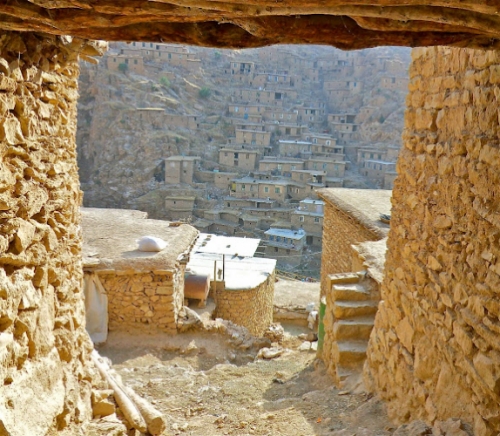
Rose Aslan, religious studies. In Palangan, Iran, she took this photo titled, Window onto the Past: “Most people associate Iran with mullahs, nuclear weapons, and oppression of women, yet there is more to the country than its government. It is home to incredibly diverse ethnic and religious minorities. In the Summer of 2010, I traveled to Iran to study Persian language and literature, and during my time there, I took a solo journey around Iran to explore some of its cultural offerings. Motivated by my interest in Kurdish culture, I managed to make it all the way to a tiny Kurdish mountain village called Palangan near the Iraqi border. The village is so isolated that most inhabitants only speak Kurdish and the only way to get there is by foot. Framed by the opening of a house, I wanted to capture a glimpse of the village, which hugs the side of the mountain, offering a window into an ancient life that still exists in rural Iran.”


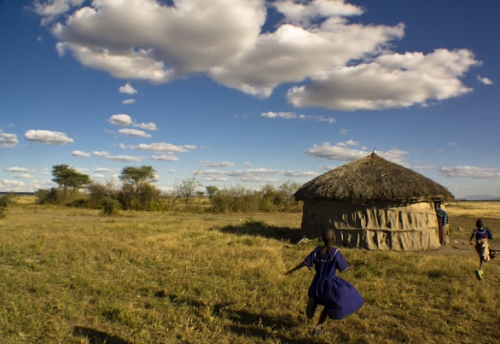
Gladys Manzur, global studies. In Arucsh, Tanzania, she took this photo titled, Maasai Girl in Blue Dress: “A Maasai schoolgirl in a blue dress sprints towards her traditional boma home. Most Maasai girls never attend secondary school. Rather, they begin families at a young age and learn to perform all the duties of the household, like gathering water and cooking.” Manzur says Maasai girls still face large gender inequalities that have only recently started to erode.
Global Connections
Every year, hundreds of UNC students and faculty travel the world to study, to research, to teach, and to enrich their lives and the lives of others. This slideshow, featuring images from an annual UNC photo competition, gives a glimpse into these travels that often dip into parts of the world few have seen.